Home » Culture » Jill Kargman Takes Aim At Social Media Culture In “Influenced”
Jill Kargman Takes Aim At Social Media Culture In “Influenced”
Discover Jill Kargman’s unique perspective on New York society and influencer culture in her new film, Influenced
Written by Natasha Wolff
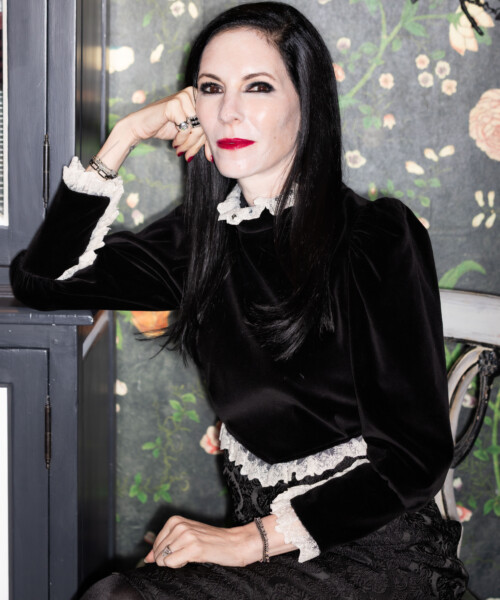
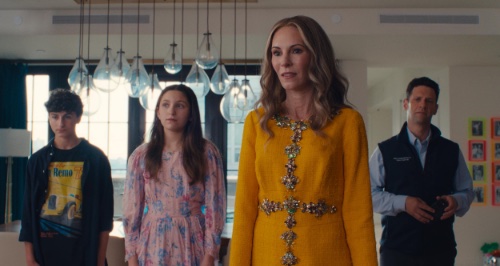
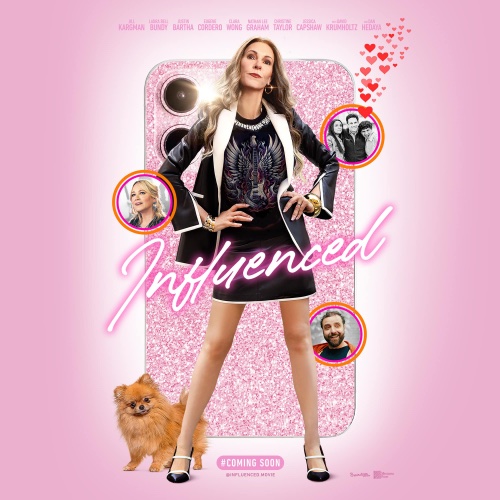
For decades, Jill Kargman has chronicled the absurdities of New York society with a razor-sharp wit. From bestselling novels to television hits (Odd Mom Out, streaming on Peacock), the lifelong Upper East Sider has built a career turning privilege, ambition and social climbing into comedy gold. Now, with her latest project, the film Influenced Kargman sets her sights on one of modern life’s most fascinating obsessions: influencer culture. Written and produced by Kargman, Influenced follows Dzanielle, a social media mom influencer navigating life on the status-obsessed Upper Ease Side. The film, directed by Rachel Israel, stars Kargman as Dzanielle, Laura Bell Bundy, Justin Bartha, Christine Taylor, David Krumholtz and Dan Hedaya—with cameos by Gwyneth Paltrow and Matt Damon.
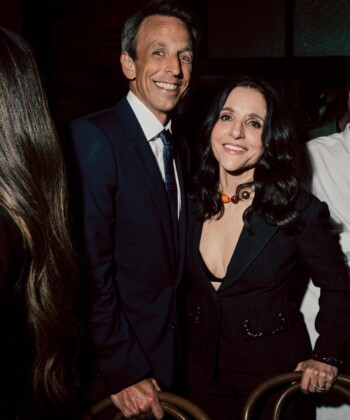
Kargman stars as Dzanielle in Influenced
For Kargman, whose career has always involved observing human behavior and exposing its contradictions, influencer culture offered an irresistible target. When the film begins streaming this July, audiences can expect the same incisive social satire that has made Kargman a singular voice for more than two decades—only this time, the joke is on all of us. We spoke to Kargman about lnfluenced, streaming July 10.
What first sparked the idea for Influenced?
I’d been posting spiels during Covid as Dzanielle, a mom reporting from the Upper East Side who was melting down without her colorist, Pilates, Peking duck and social circle.
Was there a particular moment in influencer culture that made you think, “There’s a movie here”?
There are too many to count—it felt like shooting fish in a barrel. New York already can feel hyperbolized in its consumption, and influencer culture just amplifies and disseminates it so it was too easy to satirize and had to be done. This movie felt like a natural extension of my books and Odd Mom Out; it’s a similar milieu but with a digital keyhole into the 1%’s world—one that they have curated and constructed
How did you balance satire with empathy when portraying your characters?
I have met people who I’ve “seen around” and had negative impressions of, only to learn and again and again it’s not all black and white. There can be aspects of a character I find unsavory and then see they’re loving parents, or maybe they’re flashy but truly care about a cause that’s important to them.
The Upper East Side has been a recurring character in much of your work. What keeps drawing you back to it as a setting?
Well I grew up and live here- I’m more midtown-adjacent with dry-cleaners and pot stores on Third so it’s geographically not fully steeped in it, but I keep harvesting anecdotes or witnessing things by proxy—it’s just osmosis basically and the stories write themselves.
Influenced
How has the Upper East Side changed since you were growing up there?
In the 1980s when I was a kid, classmates had their limos drop them off two blocks from school cause they were embarrassed. Now assholes are geotagging Teterboro.
Do you think the social dynamics of the neighborhood have changed in the age of Instagram and influencers, or have they simply moved online?
No they’ve completely jacked up with the advent of filters and fabulosity. People feel the need to show you they’re everywhere in order to feel important I guess. I don’t hate follow anyone, but from what I gather people post from every hotspot they want to be seen.
The neighborhood is often portrayed as exclusive and insular. What do outsiders misunderstand about life on the Upper East Side?
That there are brilliant, down-to-earth, incredible humans here who aren’t wearing logos or wheels up to St. Barth’s: surgeons, professors, innovators, captains of industry who don’t need to roll with other ones, people who kept their old friends and never would dream of social-climbing.
Did growing up on the UES sharpen your eye for social satire?
Yes, completely. I come from very observant, funny parents who always taught us the value of a dollar and how to treat everyone the same and pointed out when people around us didn’t.
Are there specific places, rituals, or characters from Upper East Side life that found their way into the film?
No one is based on anyone, but generally I’d say, workout culture, manicure joints, after school programming and the upstairs-downstairs nature of nannies, dog-walkers, trainers, etc.
The Upper East Side has always had its own codes of status and belonging. How have those codes evolved in the influencer era?
I just think sadly people try so hard to appear part of something—a huge party or store opening or opening night—whereas I’d usually rather just be home
What’s your biggest pet peeve about influencers?
I don’t follow any who live off of their posts but I can’t imagine they could be trustworthy in their recommendations when they’re profiting off them
If someone wanted to understand the real Upper East Side—not the stereotype—where would you send them?
A museum, a diner on York Avenue, a picnic in the park, a lecture, a book shop, a dive bar
What is your favorite Upper East Side institution that has survived all the changes in the neighborhood?
Sore subject. Donohue’s…which is closing this summer.
If you could sit down with your teenage Upper East Side self, what would she think about the world of influencers and social media today?
She’d say what I’d say: we are all going to die. Don’t worry what anyone else is doing just do awesome stuff with awesome people with the time we have.